ISO 22000 & HACCP in Beverage Production: Standards Importers Should Know
How an ISO 22000 and HACCP beverage factory controls food safety, assures quality and meets the standards B2B importers require from a supplier.

ISO 22000 And HACCP: Where Supplier Vetting Really Begins
For Quality Assurance (QA/QC) teams and Procurement Managers at F&B importing groups, vetting a beverage contract manufacturer does not start with a price list or marketing claims. What really determines the reliability of a supply chain is the actual food-safety control capability at the processing site. Working with an ISO 22000 and HACCP beverage factory is an important technical sign that the production line runs under a systematic risk-management system.
As technical regulations in international markets grow stricter, understanding what ISO 22000 and HACCP really mean helps importers assess a factory's capability accurately, control product quality proactively and streamline their supplier-approval process.
The Relationship Between HACCP And ISO 22000 In Food-Safety Management
In beverage manufacturing, HACCP and ISO 22000 are two concepts that often go together but play distinct roles and have different scopes within the management system.
HACCP: Hazard Analysis And Critical Control Point
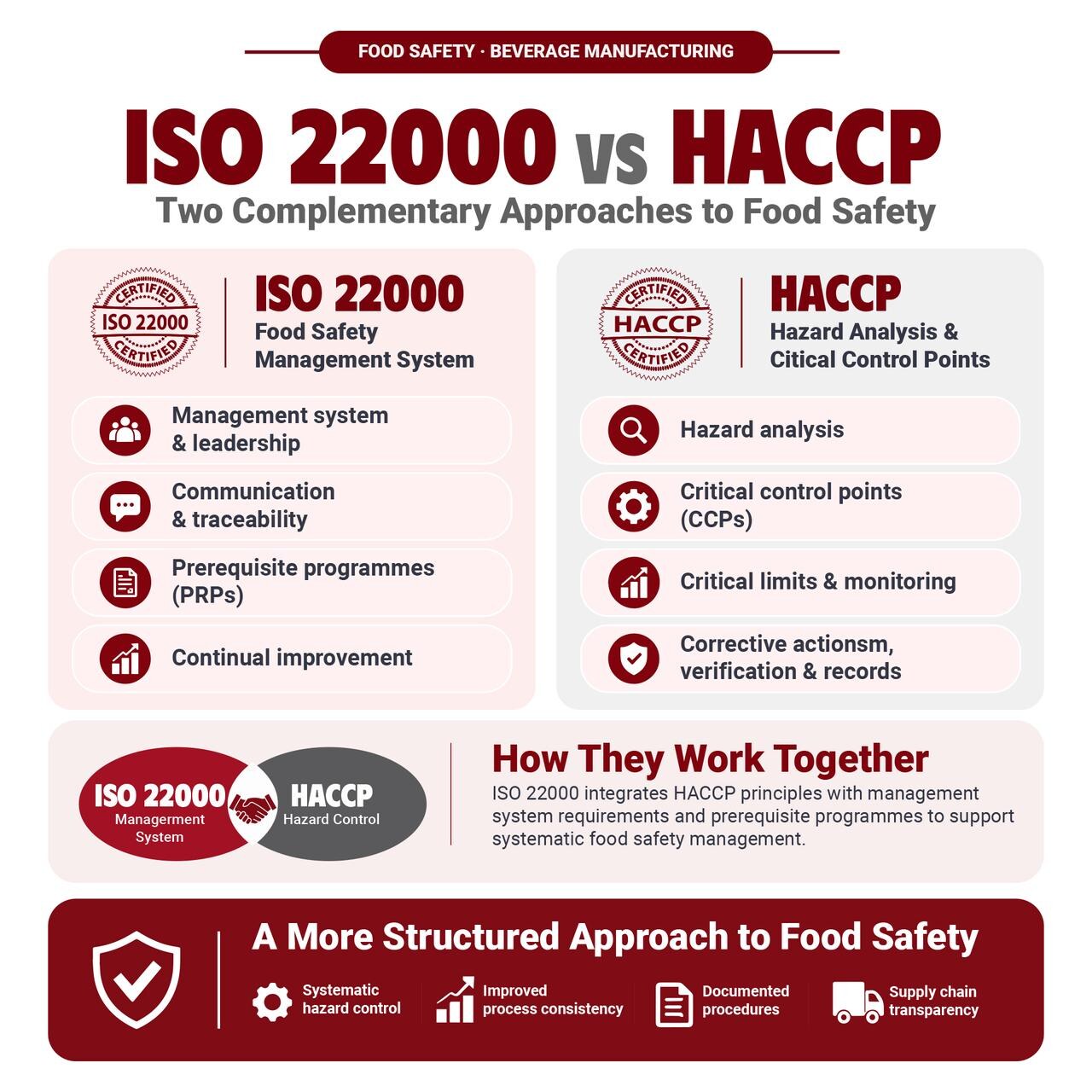
HACCP (Hazard Analysis and Critical Control Point) is a technical approach focused on identifying, assessing and controlling food-safety hazards throughout processing. The system requires a factory to analyse biological hazards (pathogenic micro-organisms, spoilage bacteria), chemical hazards (cleaning-chemical residues, additives) and physical hazards (impurities, foreign objects). By analysing risk on each specific line, the factory identifies Critical Control Points (CCPs) — for example the sterilisation/pasteurisation heat-treatment step — to set limit thresholds and mandatory monitoring measures.
ISO 22000: A Complete Food Safety Management System (FSMS)
ISO 22000 is an international standard that specifies the requirements for a Food Safety Management System. It structures the HACCP principles and integrates them with Prerequisite Programmes (PRPs) such as Good Manufacturing Practice (GMP) and facility sanitation (SSOP), together with system-level management requirements including: management review, internal and external communication, traceability management and continual improvement.
In other words, HACCP provides the technical risk-analysis tool on the line, while ISO 22000 creates the governance framework that keeps those control measures running consistently across the whole organisation. A sound beverage production standard requires these two elements to work closely together.
Practical Food-Safety Control At A Beverage Factory
Maintaining the ISO 22000 and HACCP system at an ISO 22000 and HACCP beverage factory requires turning it into concrete control procedures at each processing stage.
Managing Water Sources And Raw Materials
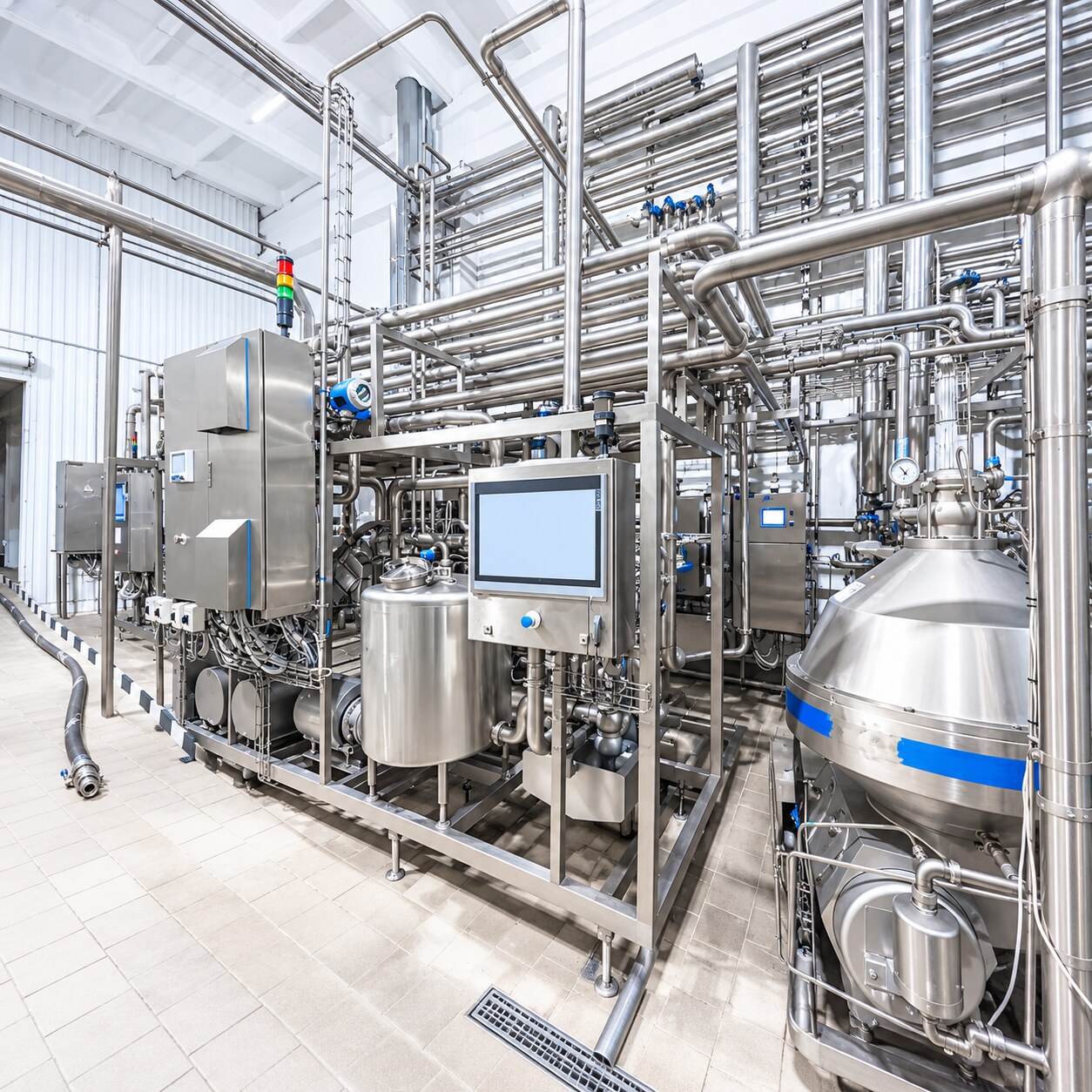
Water makes up a large share of most soft drinks. The factory's water-treatment system must be designed around an analysis of the incoming water quality and the technical requirements of each product, applying suitable technologies such as R.O. filtration, ozone treatment or UV. For fruit concentrate, sugar and additives, the factory maintains source-control procedures, reviews the Certificate of Analysis (COA) and checks sensory and technical indicators before materials enter the blending tank.
Controlling Processing And Heat Treatment
On canning or bottling lines, the steps that most directly affect microbiological safety are usually the heat-treatment stages (pasteurisation/sterilisation), which are validated and closely monitored. Temperature, time and pressure parameters are logged automatically. If a technical deviation occurs, a deviation procedure is triggered to isolate, assess and handle the entire affected batch, preventing out-of-spec product from reaching the market.
Cleaning-In-Place (CIP) And Effectiveness Monitoring
Between production cycles or product changeovers, Cleaning-in-Place (CIP) procedures clean the blending tanks, pipework and filling heads. The effectiveness of CIP depends not only on the automated cycle but must also be confirmed through final-rinse sampling, chemical-indicator monitoring and periodic surface microbiological testing, to minimise cross-contamination between OEM/ODM beverage production batches.
The B2B Value Of A Food-Safety Management System
Working with a manufacturer that holds a certified food-safety management system gives QA/QC and Procurement teams practical foundations:
- Streamlined supplier evaluation: Standardised ISO 22000 and HACCP documentation lets the importer's QA team review operating capability, CCPs and the factory's control records easily during an audit.
- Transparent records for export: Maintaining traceability data and production logs completes the product's technical dossier, supports customs clearance and meets inspection requirements from authorities in the importing country.
- Greater process stability: Standardised operating procedures reduce human-factor deviation, working toward consistent quality and product characteristics from one production batch to the next.
Production Capability And OEM/ODM Solutions At Viet International Company (VIC)
As a Vietnamese beverage manufacturer oriented toward international markets, Viet International Company (VIC) focuses on building production capability grounded in technical standards and transparency in B2B cooperation.
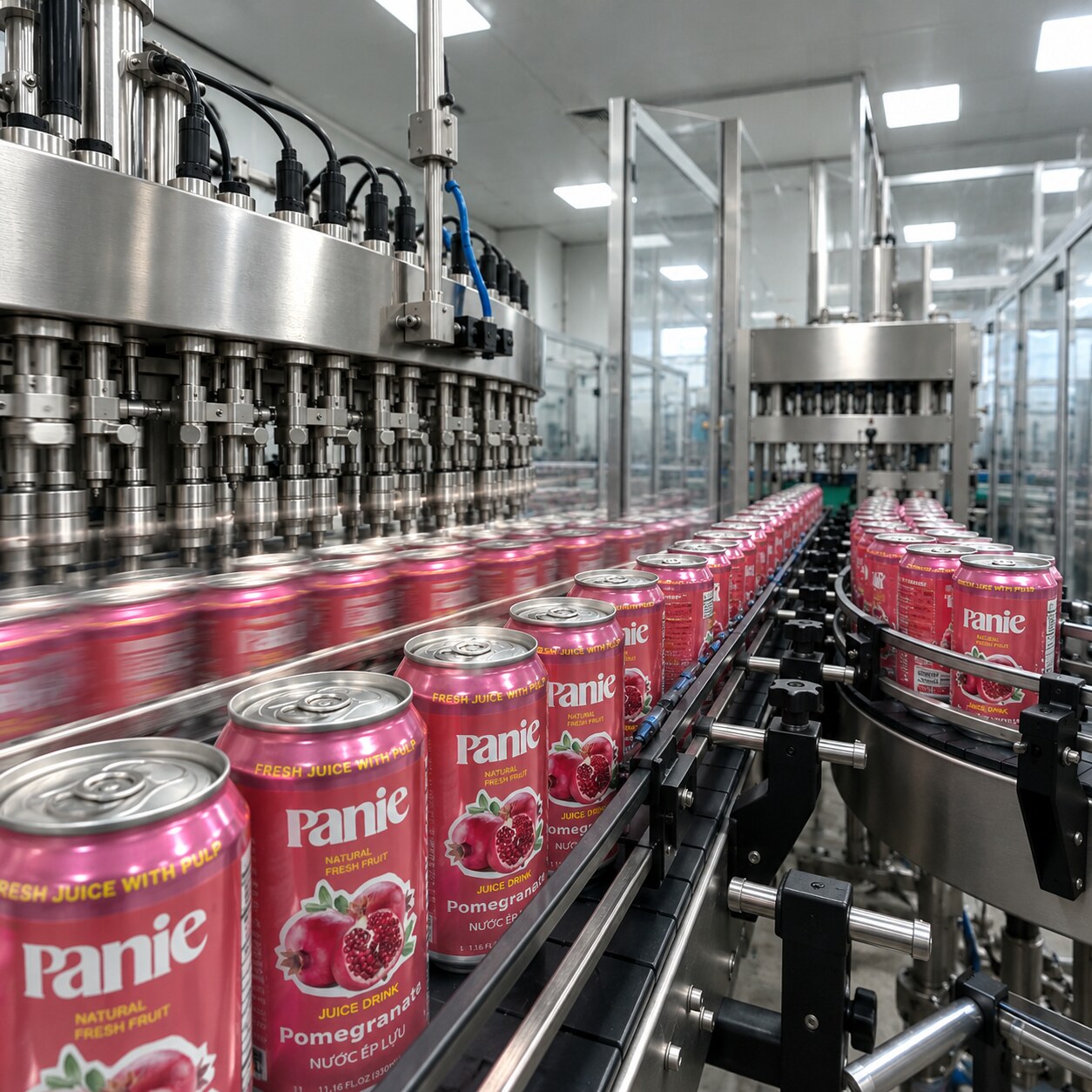
VIC operates a range of production lines including 330ml aluminium cans, slim cans, 500ml cans and 290ml glass bottles. The factory's quality and food-safety management system is built to meet international control requirements. For each target market, such as the United States or Islamic countries, VIC works with partners to review requirements related to FDA food-facility registration or HALAL certification suitability for each specific product.
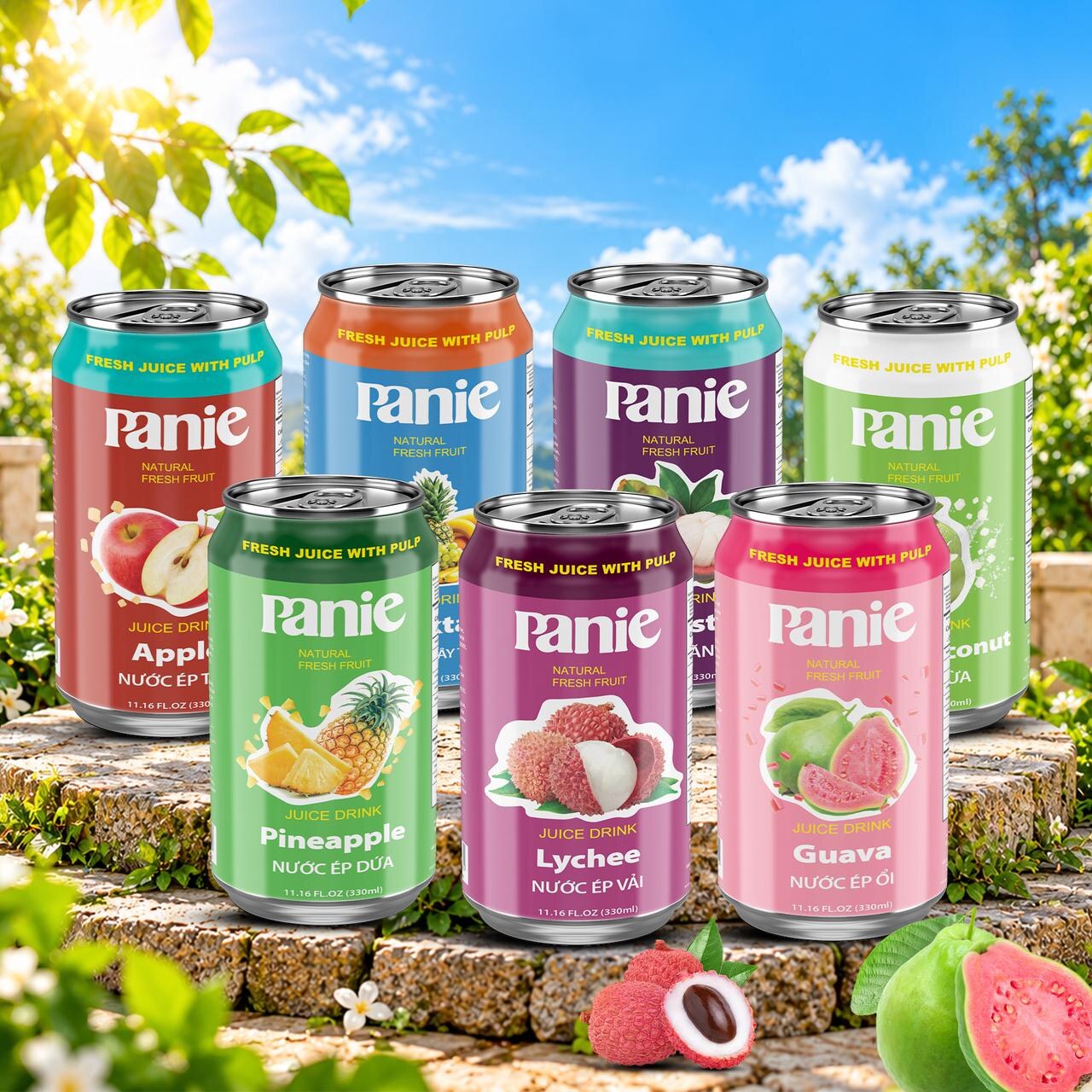
VIC's export beverage range includes canned fruit juice (Panie 330ml, Dr. Fruit and AZRA 500ml), SITI Sparkling Juice, coconut water, canned Panie sugarcane juice, energy drinks and seed-based drinks, all developed with a clear technical dossier for private-label manufacturing. VIC's technical and QA team is always ready to provide documentation, support the sampling process and work alongside partners at every stage of a project.
Partner With VIC In Beverage Production
A sustainable beverage supply chain requires close coordination between importer and manufacturer based on clear technical standards. Viet International Company (VIC) supports international partners through real production capability, transparent control procedures and flexible OEM/ODM solutions.
QA/QC specialists, Procurement Managers and company representatives can contact VIC's export team directly to discuss the factory's technical dossier, product requirements and the sample-evaluation process.