Preserving Nutrients in Canned Coconut Water & Fruit Juice: A Manufacturer's Approach
Keeping nutrients in canned coconut water and fruit juice takes control of ingredients, heat and packaging, how VIC builds export-ready drinks.

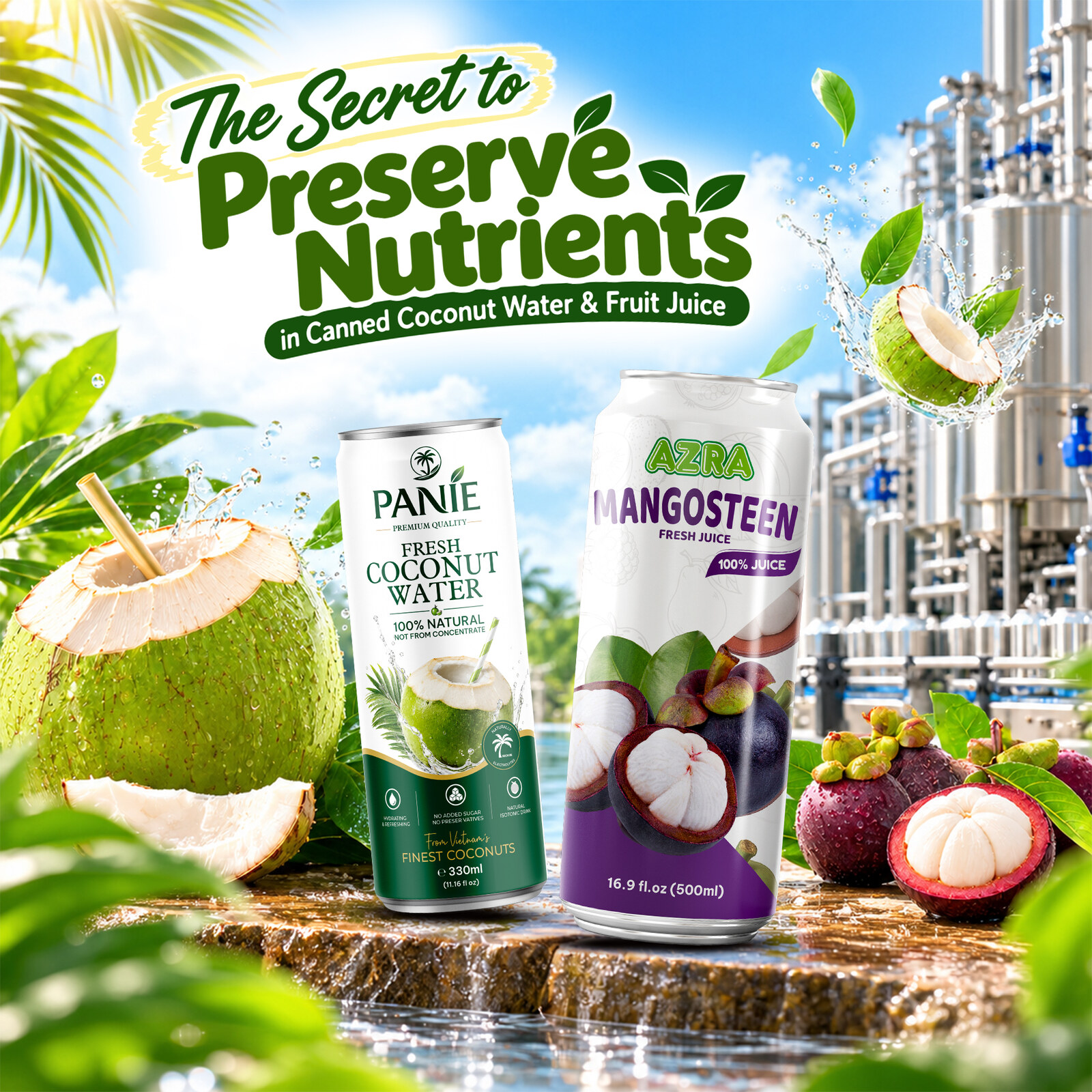
Why do canned coconut water and fruit juice need careful processing?
Coconut water and fruit juice share an unusual trait: the closer a product stays to its natural ingredient, the more carefully it has to be handled.
The moment it is separated from the raw material, coconut water and juice begin to react to their environment, to micro-organisms and to natural chemical changes. Without proper control, colour, flavour and quality can shift within a short time. The FAO likewise notes that once coconut water is exposed to the open environment, hygiene and temperature must be well controlled to maintain quality during processing.
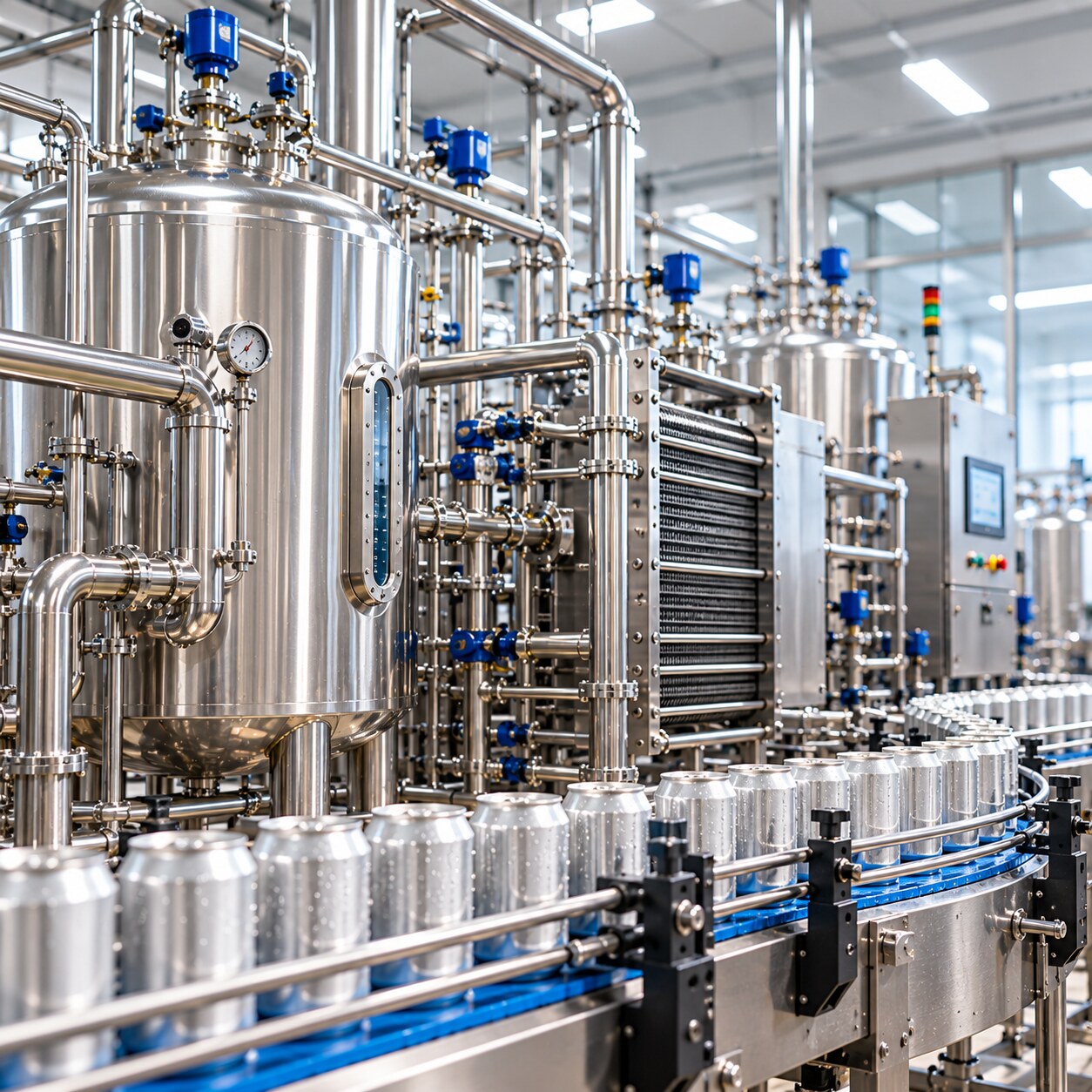
Once the product is filled into cans and distributed at scale, the challenge grows. It has to be safe enough for a long shelf life, yet still keep the characteristics consumers expect from coconut water or fruit juice. Processing technology is therefore not only about extending shelf life, more importantly, it is about finding the right treatment for each specific product.
What role does heat processing play in canned beverages?
For juice and many fruit-based drinks, heat processing is a key way to control micro-organisms and ensure product safety. The FDA notes that most juice sold in the United States is heat-treated or handled by another method to control harmful micro-organisms.
A good process, however, is not simply a matter of raising the temperature as high as possible. Heat acts on many components in a drink, and under the wrong conditions a product can change in colour, aroma and flavour. For coconut water, colour change after heat treatment has been documented in studies of the product's chemical composition.
So when developing a canned product, a manufacturer has to weigh microbial control and post-process quality at the same time. Temperature, time, ingredient characteristics, formula and packaging all shape the final result. There is no single processing recipe that applies equally to every juice or coconut water.
Protecting natural quality is a technology problem
A glass of fresh coconut water has a colour, aroma and taste quite different from a product that has been processed and stored. The goal of beverage production technology is to carry those characteristics into the packaged product as faithfully as possible, while keeping it safe and stable throughout its shelf life.
 View product
With fruit juice, colour and flavour are usually the most noticeable factors. With coconut water, changes in colour and aroma can also directly affect how consumers perceive the drink.
Product development cannot rest on a formula alone. A manufacturer needs to test and evaluate the product after processing, track its stability during storage and adjust the process when needed. This sits between product research and production technology: a formula that works at laboratory scale will not necessarily behave the same way in industrial production.
Packaging and ingredients decide stability
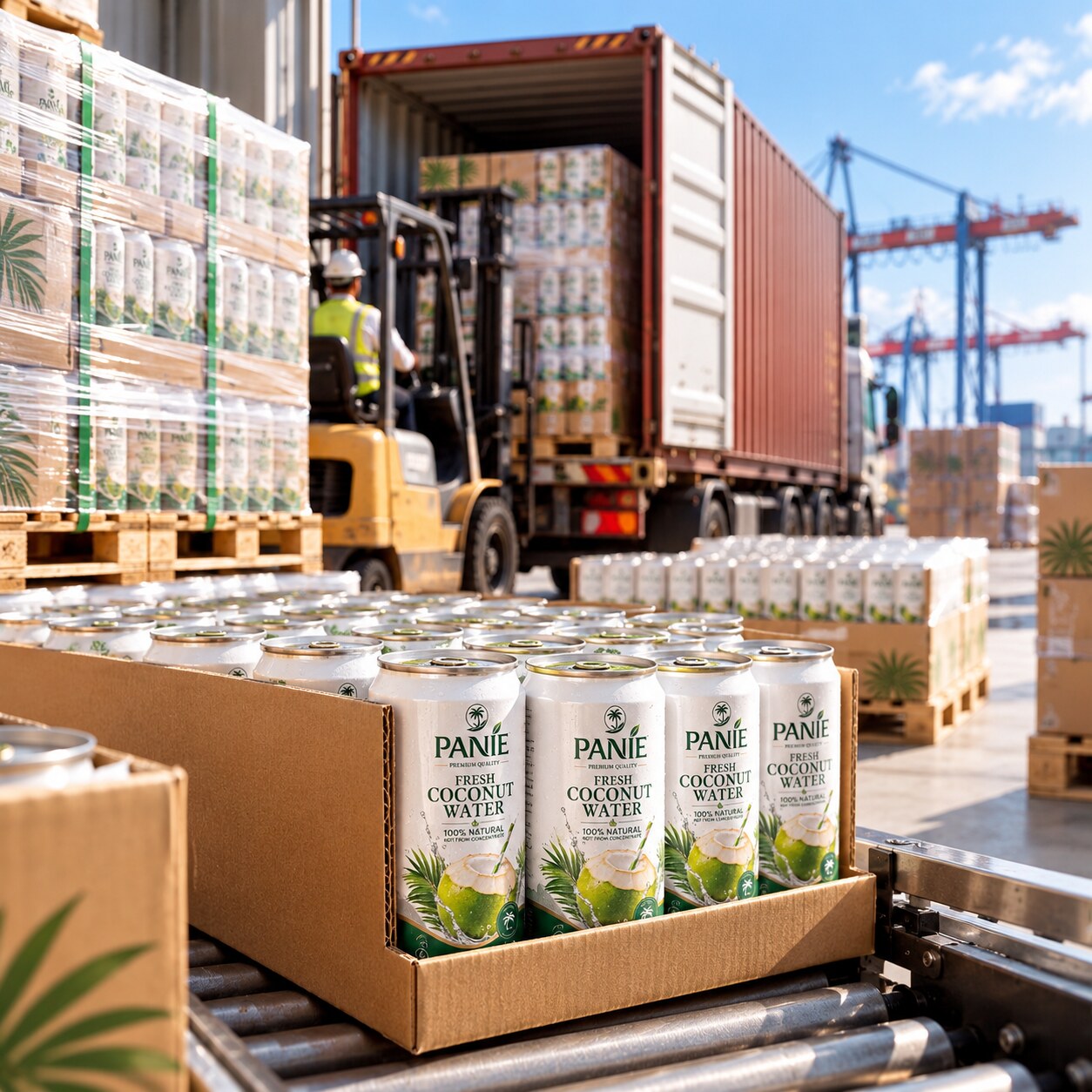
A beverage that is high in quality the moment it is finished has not reached the finish line. After leaving the factory, it still goes through storage, transport and distribution. For exports this journey can last several weeks, so packaging must suit the product as well as the processing method and storage conditions.
Aluminium cans are widely used in the beverage industry because they protect the product and are convenient to ship. But the choice of packaging cannot be separated from the formula and the production process, the compatibility between product, packaging, processing and storage conditions has to be considered as one system.
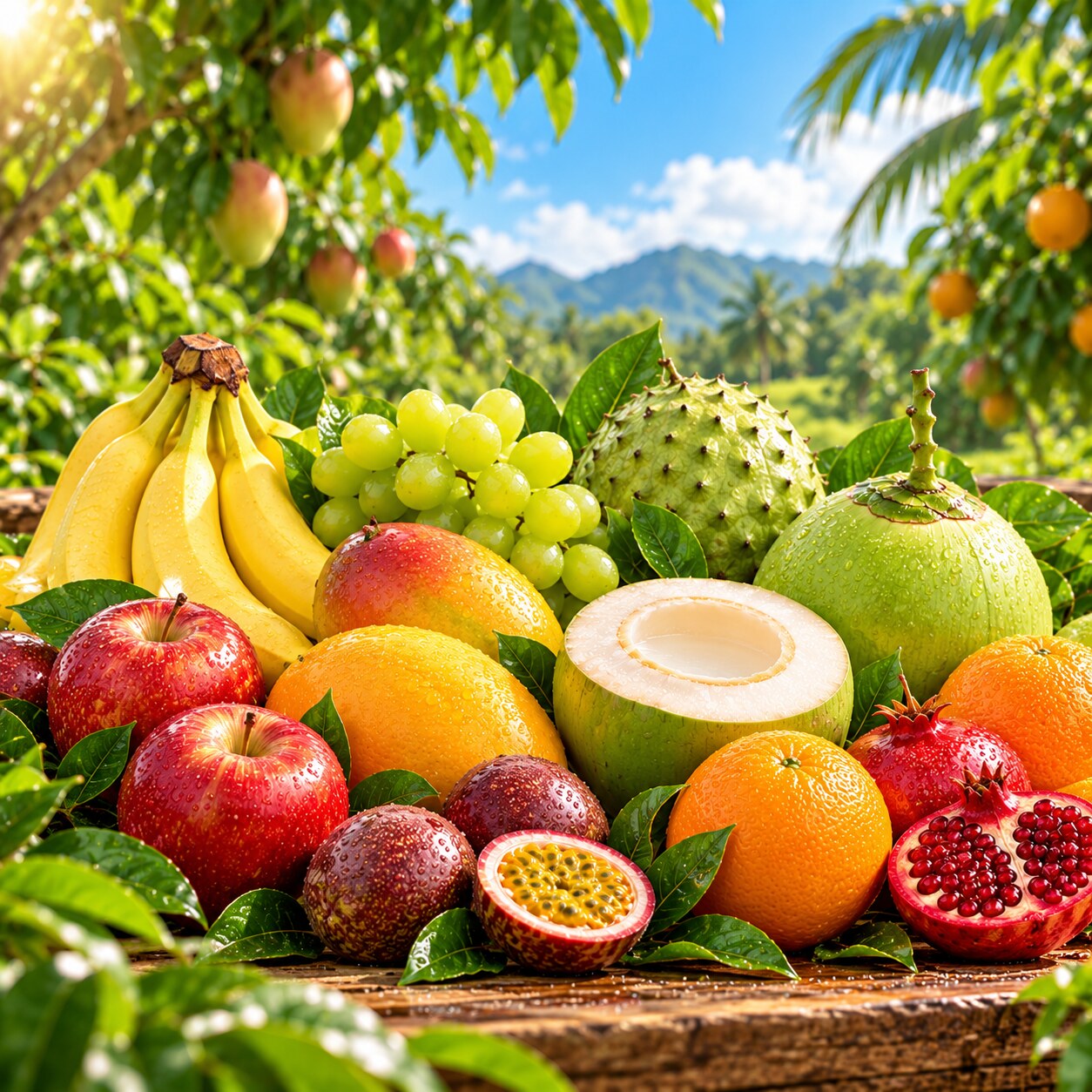
Modern technology also cannot fully compensate for unsuitable raw materials. For coconut water and fruit juice, ingredient quality directly affects the colour, flavour and character of the finished drink. Raw materials need to be controlled before they enter production and monitored through each processing stage. When a product is made for international markets, batch management and traceability become an essential part of the quality system too.
Good technology needs a good control system
A modern line only delivers value when it runs inside a tight control system. From formula research and ingredient selection to production and finished-product testing, every step can affect the final quality. For coconut water and fruit juice in particular, close coordination between R&D, production and quality control matters a great deal.
For juice that falls under FDA rules, for example, a manufacturer must also build suitable controls to meet safety requirements: the FDA requires the process to be established and controlled to achieve the necessary pathogen reduction where it applies. Requirements like these show that the quality of an export product does not come from a single piece of equipment, but from how the factory builds and controls the whole process.
How does VIC produce canned coconut water and fruit juice?
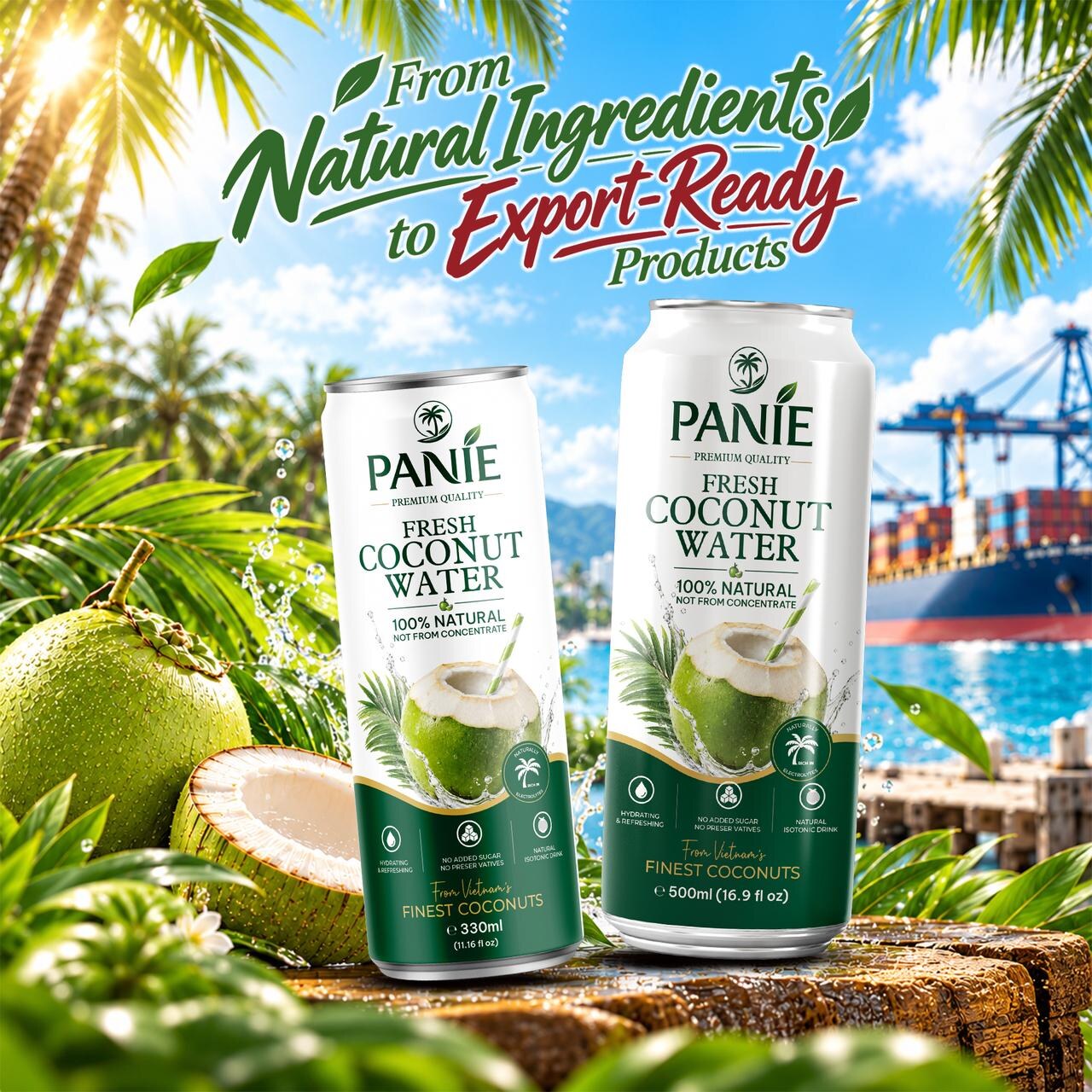
Viet International Company (VIC) develops a range of beverages, including fruit juice, coconut water, sugarcane juice, seed-based drinks and energy drinks. For canned products, VIC focuses on keeping ingredients, formula, processing, packaging and quality control in sync, each factor viewed in relation to the final product rather than as a separate step.
 View product
The production system is built on appropriate food-safety management standards, including ISO 22000 and HACCP, the foundation for controlling quality and keeping products consistent from batch to batch. On OEM/ODM manufacturing projects, VIC can work with a business from product development and formula and flavour adjustment to choice of volume, packaging and production specification, so the product aligns more closely with the brand and its target market. You can also browse the VIC beverage product range to see the lines that can be produced to order.
A few of VIC's canned product lines to explore:
100% natural coconut water, not from concentrate.
View productmore than 18 tropical fruit flavours.
View producta large-format tall can for export.
View producta pure-juice line for private label.
View productFor a coconut or a piece of fruit to become a drink sold on international markets, there is a full chain of control behind it: suitable raw materials, a stable formula, a process defined by the product's characteristics, packaging matched to storage and transport, and finished goods checked before they leave the factory. Final quality is not decided by any single stage, it is built across the whole production process.
If your business is looking for a manufacturer of coconut water, fruit juice or made-to-order canned beverages, contact VIC to discuss the product, formula, specification and brand direction.
Note: Processing and storage conditions should be defined based on the characteristics of each specific product, formula, packaging and production process.